You sit down to work, and you already feel behind before you even begin. There are too many things on your list, too many directions you could go, and no clear place to start. So you try to focus, but your attention keeps slipping. You second guess what you chose, wonder if something else matters more, and feel pulled in multiple directions at once.
It’s not a lack of discipline. It’s not that you don’t care.
Your brain is already overloaded before you even begin.
Why You Can’t Focus When Your Brain Is Overloaded
Most people assume focus is something you build with effort. If you just try harder, eliminate distractions, or stay more disciplined, you should be able to lock in and get things done. But that’s not how focus actually works.
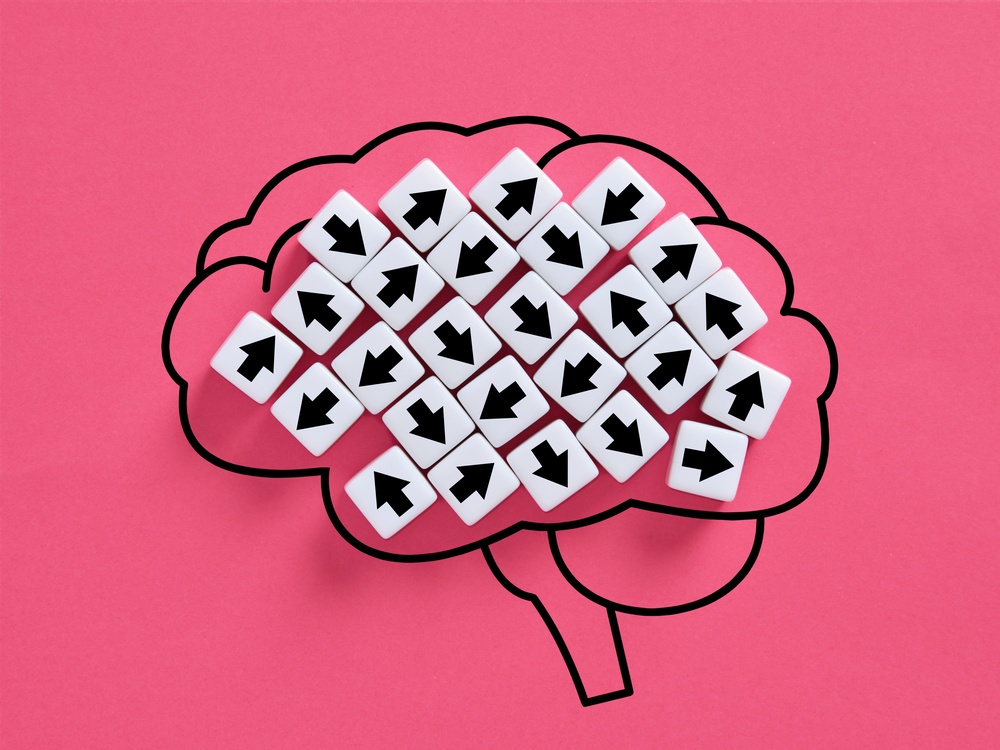
Focus breaks down when your brain is carrying too many unmade decisions at the same time. Every task is competing for attention, and your brain is trying to keep track of all of them.

It’s just trying to keep you from making a mistake.
Decision Fatigue and Focus: What’s Really Happening
This is where decision fatigue and focus collide. Every time you look at your list, you’re not just choosing what to do. You’re re-evaluating everything. You’re asking:
- What matters most,
- What’s urgent, what can wait,
- And what you might be forgetting.
That constant evaluation drains your mental energy faster than the work itself. By the time you try to start, your brain is already tired. It’s not resisting the work. It’s resisting the weight of all the decisions behind it.
Why Decision Fatigue Makes Focus Feel So Inconsistent
This is why focus feels unpredictable. Some days you can get into a rhythm and move forward, and other days everything feels harder than it should. The difference isn’t your motivation.
It’s a factor of how many unmade decisions your brain is holding at once.
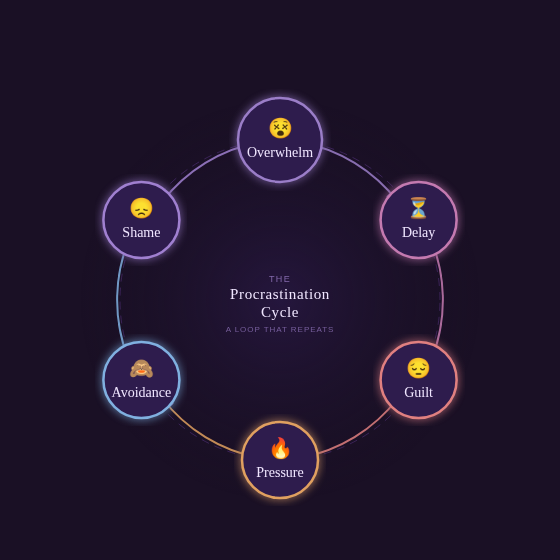
When that load gets too heavy, your brain looks for relief. Sometimes that relief looks like procrastination.
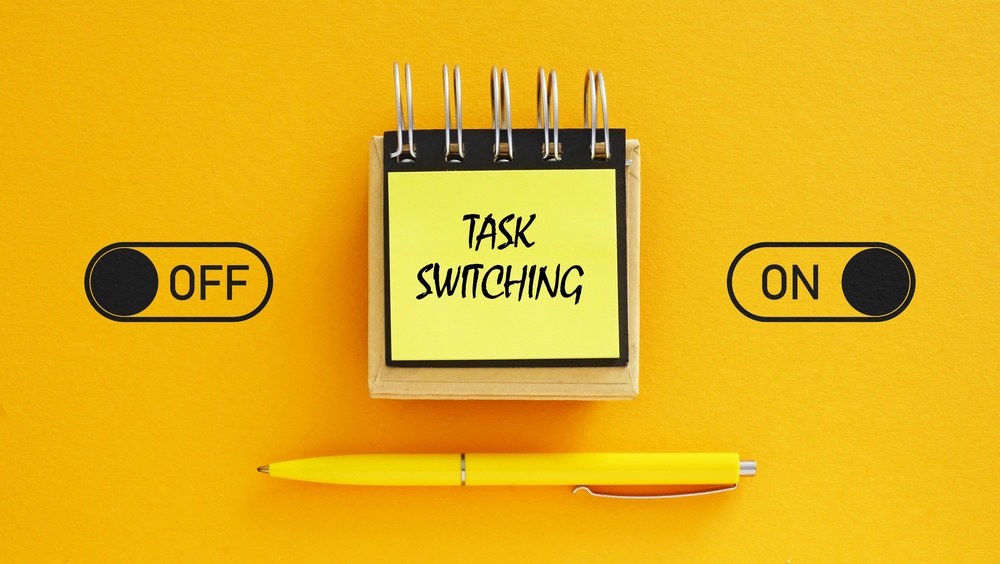
You switch tasks, hesitate, or avoid starting altogether. Not because you’re lazy, but because your system is overloaded.
What Decision Fatigue and Lack of Focus Costs You
Over time, this starts to wear on you in ways that go beyond productivity. You lose sleep because you’re constantly thinking about what you didn’t get to. You lose energy because you’re trying to do more, instead of better.
You lose clarity because everything blends together. You lose momentum because you’re just exhausted. Because even when you’re resting or spending time with your family, you’re still thinking about all the things.
And eventually, you blame yourself. You question why you can’t focus, and you stop trusting every promise and commitment you make to yourself. And this ultimately destroys your confidence and your self-esteem.
Decision Fatigue Breaks Both Focus and Prioritization
Focus is not something you force. It’s something that happens when your brain isn’t overloaded with decisions. When the number of choices in front of you is reduced, your attention naturally stabilizes.

The same is true for prioritization. It’s not something you should have to figure out repeatedly throughout the day. When you rely on willpower to keep deciding, you create more decision fatigue, not less.
Choosing your priorities should happen once, in the planning stage. Changing your priorities throughout the day is guaranteed to get you lost.
Reducing Decision Fatigue Improves Focus Naturally
When you remove the need to constantly decide, something changes. You stop questioning every move and stop bouncing between tasks. Your energy goes into execution instead of evaluation.
Focus becomes less about effort and more about clarity. You’re not trying to concentrate harder. You’re working within a structure that supports your attention.
What Comes Next If You Want to Improve Focus
You don’t need more discipline. You don’t need a better list. You need a way of working that reduces the number of decisions your brain has to make throughout the day.
Because once that changes, focus becomes a natural outcome instead of a constant struggle.
If you knew exactly how to reduce that mental load and create a structure that supports your focus, what would it be worth to you?
Lucky for you, it’s free.
In my upcoming session, The End of Overwhelm Masterclass: Break the Cycle of Procrastination, Focus What Matters, and Build Consistent Momentum in Your Business, I’ll show you how to build a simple structure into your calendar that reduces decision fatigue, supports your focus, and helps you follow through without constantly second guessing what to do next.
But don’t procrastinate. Spots are limited.